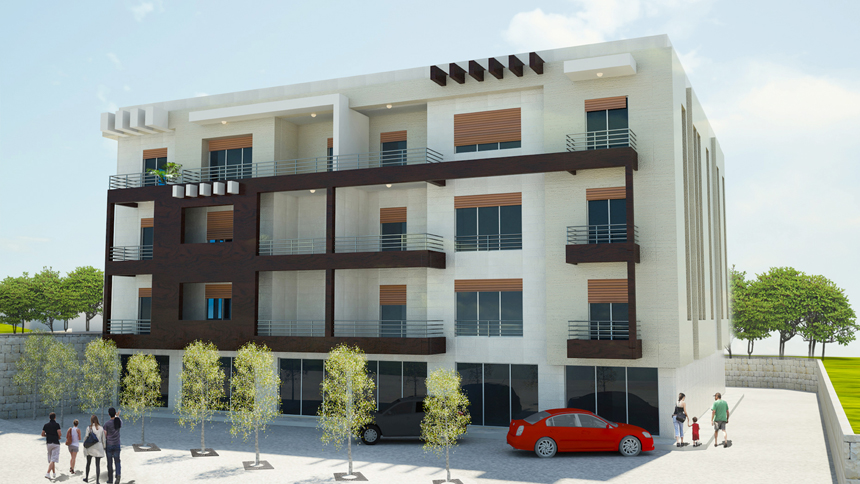
.png)
AI Tools for Architecture Design: The Intelligent Design Revolution
The Rise of AI Tools for Architecture Design as a Design Partner, Not Just a Tool
Architecture is undergoing one of the most profound transformations in its history. What once depended heavily on human intuition, manual drafting, and static construction methods is now evolving into a dynamic, data-driven discipline shaped by Artificial Intelligence and environmental urgency.
In 2026, the most dominant trend across search engines and industry discussions is the convergence of AI-powered design and sustainable architecture, a fusion that is redefining not only how buildings look but also how they function, adapt, and interact with people and the planet.
Architecture Is Entering Its Most Transformative Era
This is no longer a futuristic concept. It is already happening. Buildings are being designed to think, adapt, and respond. Homes are learning from their occupants. Entire urban environments are being optimized using algorithms that predict energy consumption, climate impact, and human behavior. As a result, architecture is shifting from static form-making to intelligent system design.
Understanding this shift is essential if you want to create content that ranks, engages, and converts. More importantly, it positions you at the forefront of a movement that is reshaping how we live.
Where Innovation Meets Sustainability
Furthermore, Architecture in 2026 is no longer just about aesthetics—it’s about intelligence, sustainability, and adaptability. The biggest trend dominating Google searches right now is the fusion of AI-powered design with eco-conscious architecture. This shift is transforming how buildings are conceived, constructed, and experienced.
If you're a blogger, architect, or design enthusiast, understanding this trend is crucial—not only to stay relevant but also to create high-ranking, traffic-driving content. In this article, we’ll explore:
- The rise of AI in architecture
- Sustainable design innovations
- Smart materials and energy systems


The Growing Role of AI as a Collaborative Design Partner, Not Just a Tool
Artificial intelligence (AI) is no longer just assisting architects—it is actively collaborating with them. Instead of starting from a blank page, designers now work alongside algorithms that generate, test, and refine ideas at a scale that would be impossible manually.
What makes AI transformative is not just speed, but its ability to evaluate complex variables simultaneously. A building is no longer designed solely on aesthetics and basic function. AI considers solar exposure, thermal performance, airflow patterns, material efficiency, and even occupant behavior before proposing optimized design solutions.
This fundamentally changes the creative process. Rather than asking, “What should this building look like?” architects are increasingly asking, “How should this building perform?” The form then emerges from performance-driven logic.
The implications are profound. Design becomes more precise, waste is minimized, and buildings become inherently more efficient. This shift is also democratizing high-quality design, allowing smaller studios and even individual creators to produce work that rivals large firms.
Sustainability Is No Longer a Feature—It Is the Foundation
Sustainability has moved beyond being a desirable feature; it is now the foundation upon which modern architecture is built. This evolution is driven by necessity. Climate change, rising energy costs, and stricter environmental regulations have forced the industry to rethink its priorities.
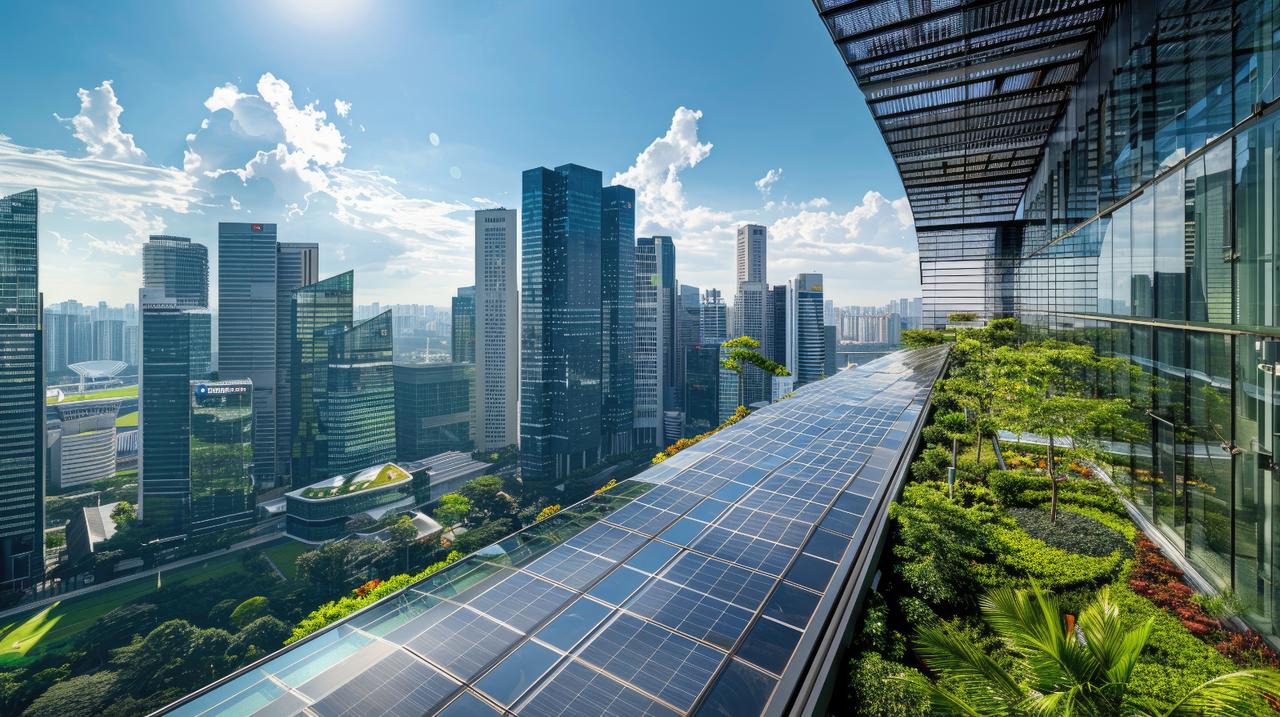
Buildings are increasingly designed to operate as self-sufficient systems. Energy is generated on-site through solar integration, stored efficiently, and distributed intelligently. Water is collected, reused, and managed with minimal waste. Materials are chosen not only for their aesthetic qualities but for their lifecycle impact, recyclability, and carbon footprint. |
| A net-zero modern home with rooftop solar panels that maximizes natural light and energy efficiency, integrating sustainability into daily life. Photo credits: uarchitekta.pl |
The concept of the “net-zero building” has become a benchmark rather than an exception. These structures are designed to produce as much energy as they consume, effectively reducing their environmental impact to near zero. What is remarkable is that this level of performance is no longer limited to experimental projects—it is becoming mainstream.
This shift is also influencing how spaces feel. Sustainable buildings often emphasize natural light, ventilation, and connection to the outdoors, creating environments that are not only efficient but deeply comfortable and human-centered.
Biophilic Design: Reconnecting Architecture with Human Nature
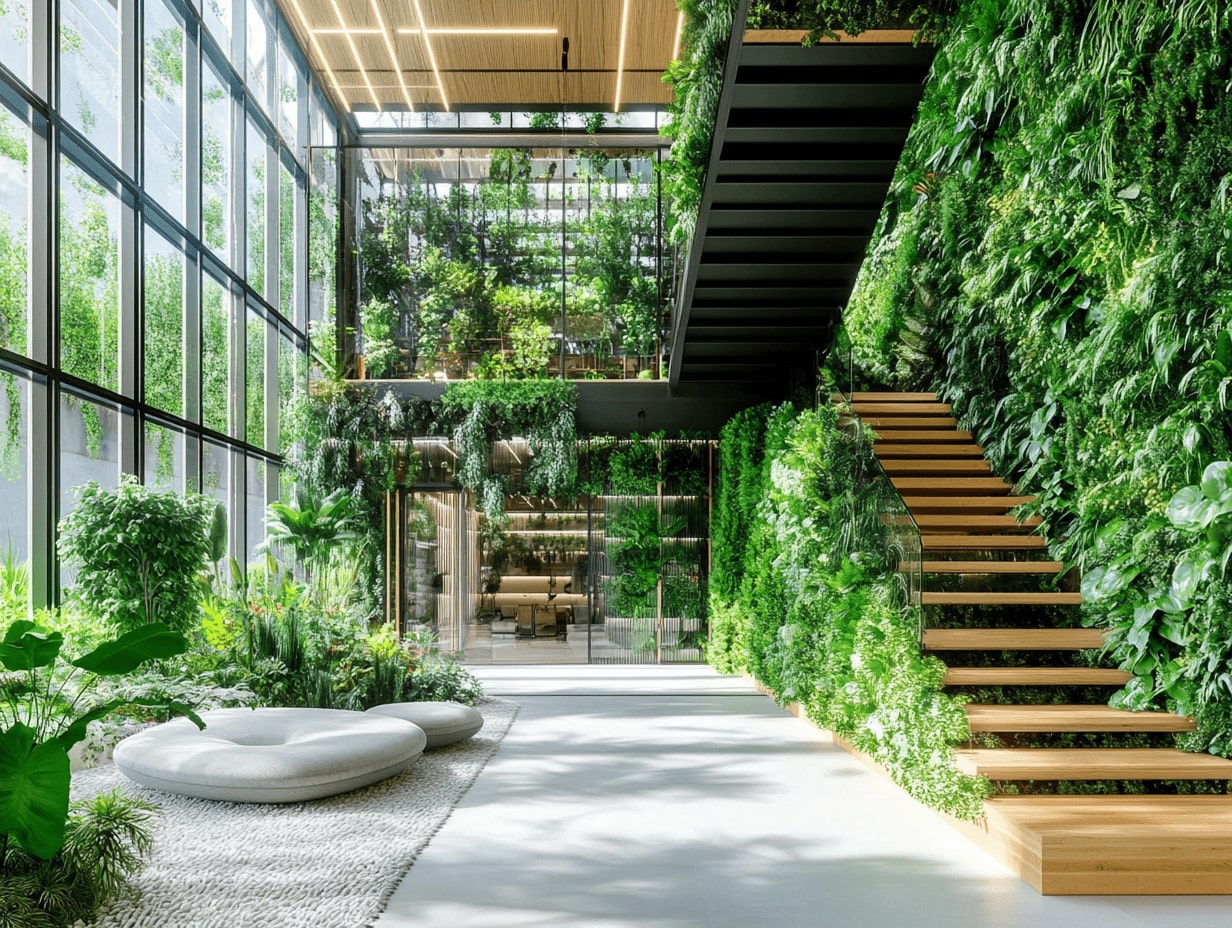
As cities become denser and more technologically advanced, there is a growing need to reconnect people with nature. Biophilic design addresses this need by integrating natural elements directly into architectural spaces.
This is not simply about adding plants to interiors. It is about creating environments that mimic natural systems and evoke the psychological comfort of being in nature. Light, texture, airflow, and spatial organization are all carefully considered to produce a calming and restorative experience. Read more »
 |
| Design insider on using natural materials and artistic statements to bring the outdoors in. Photo credits: aspiremetro.com |
Large openings that blur the boundary between indoors and outdoors, the use of organic materials like wood and stone, and the incorporation of water and greenery are all part of this approach. These elements are not decorative; they are functional components that improve well-being, productivity, and overall quality of life.
The popularity of biophilic design reflects a broader cultural shift. People are no longer satisfied with spaces that are purely functional or visually appealing. They want environments that feel alive, responsive, and emotionally engaging.
Smart Buildings: Architecture That Learns and Adapts
The integration of smart technology is totally flipping buildings on their head & turning them into responsive spaces that actually make people's lives better. They're using sensors, data systems, and automation all together in a way that lets the building learn from the people inside & adjust on the fly as needed. Read more »
Lighting systems adjust to the just-right level based on what's coming in from outside & what the people in the building like. And climate control systems - they're working out the best temperature & airflow so the place stays comfy & the energy bills don't get out of hand. Even the layouts are becoming a lot more flexible; you can design the furniture & room dividers to adjust as the needs change.
 |
| Automating striped blinds: Perfect light control for smart homes. Photo credits: weffortshades.com |
What makes this whole thing really powerful is how much it blends into the background - the best smart buildings are the ones where you don't even notice the tech; they just work seamlessly in the background, making life really easy. No constantly having to fiddle with thermostats or anything annoying like that. Read more »
And the good news is that this level of smarts is not only good for people, it's also fab from an environmental perspective. Because the system is always working away & tweaking the performance to get the very best out of the building, smart buildings end up using way less energy & saving loads on operational costs - which means sustainability is not just the right thing to do, it also makes more sense from a business perspective.
Parametric Design and the Rise of Adaptive Forms

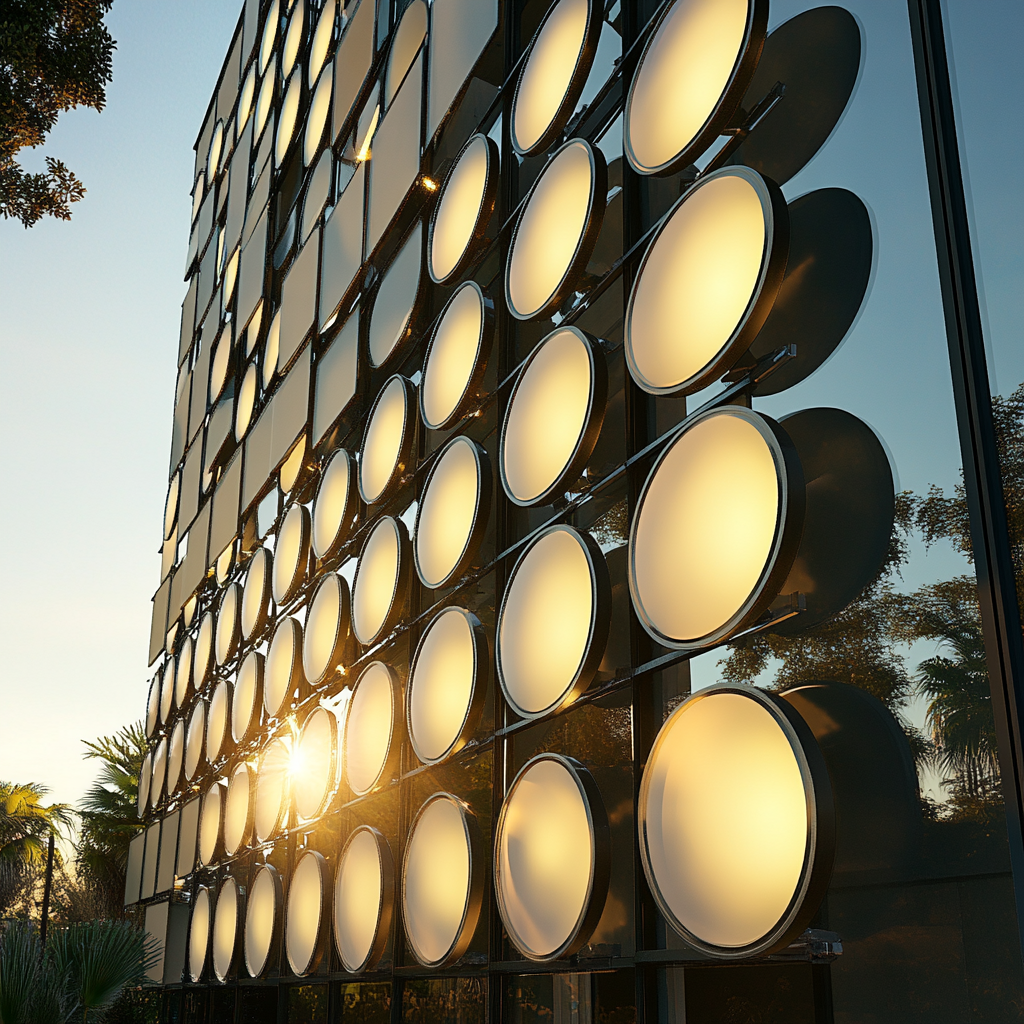
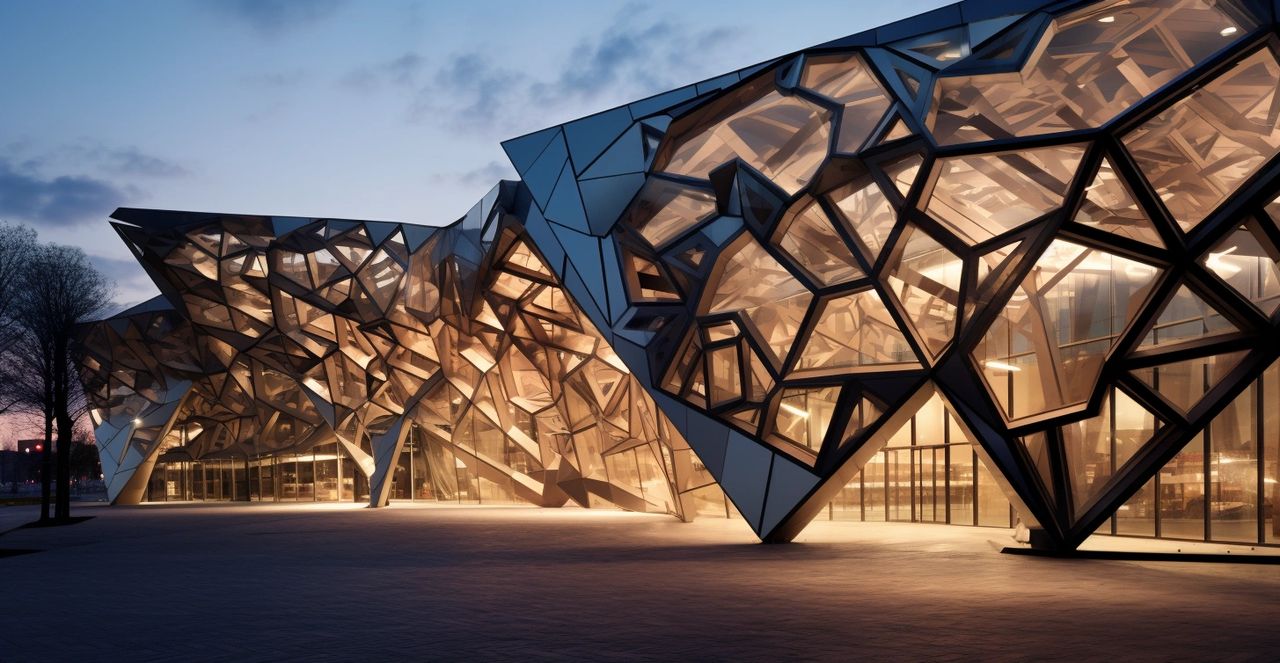

One of the most visually striking developments in contemporary architecture is the rise of parametric design. This approach uses algorithms to generate complex geometries that respond to specific environmental and functional criteria.
Unlike traditional design methods, where form is often predetermined, parametric architecture allows form to emerge from data. Facades can be designed to optimize shading, reduce heat gain, and enhance natural ventilation. Structures can adapt to site conditions with precision, resulting in buildings that are both efficient and visually distinctive.
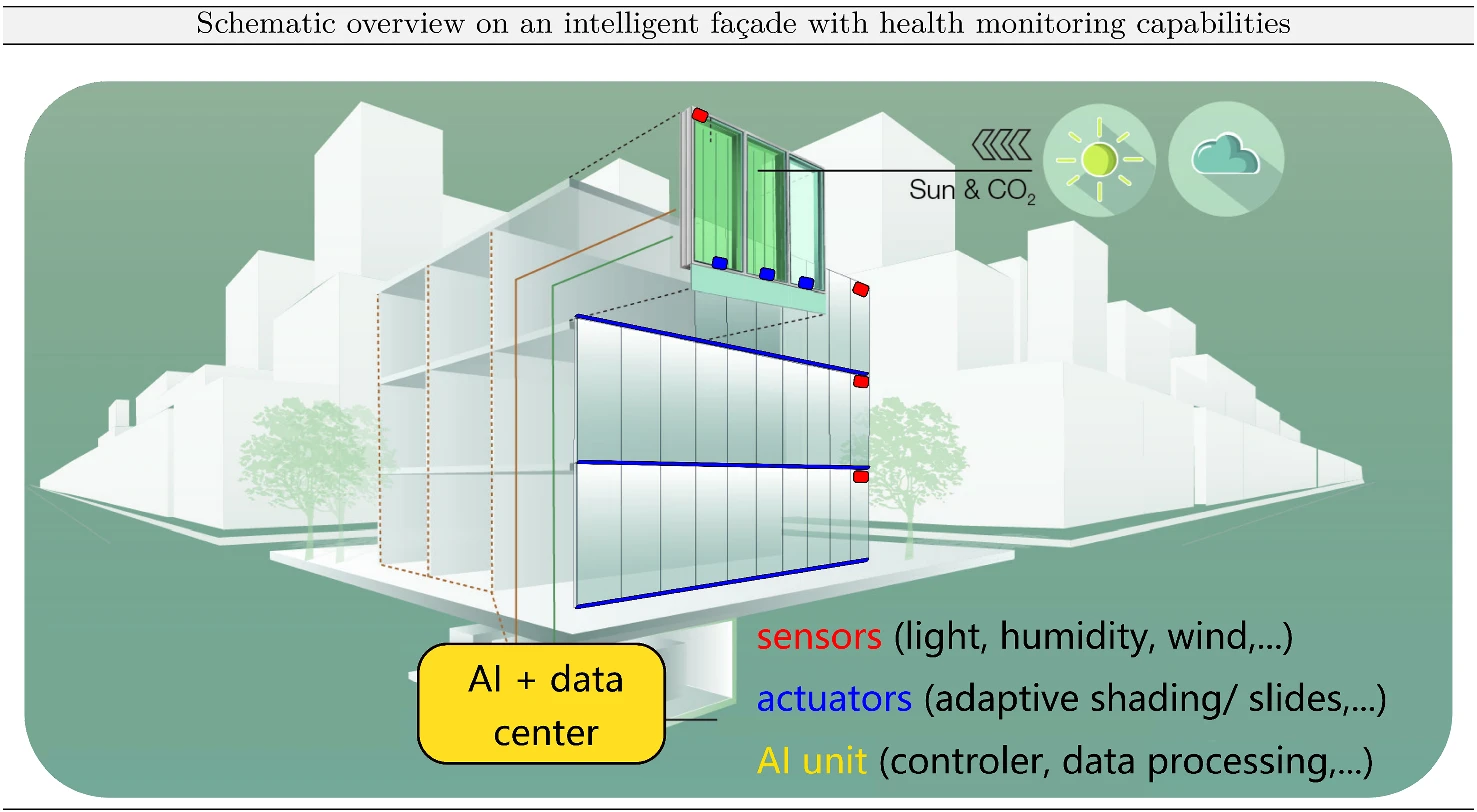
In some cases, these designs go even further by incorporating kinetic elements—components that physically move in response to environmental changes. Facades that open and close based on sunlight intensity or temperature are becoming more common, transforming buildings into dynamic systems rather than static objects. (Refer to image)
This evolution represents a shift toward architecture that is not only designed for performance but is capable of continuously responding to its environment.
The Human Experience at the Center of Innovation
Despite all the technological advancements, the most important aspect of modern architecture remains unchanged: the human experience. What is different now is how deeply this experience is being analyzed and integrated into the design process.
Data is being used to understand how people move through spaces, how they interact with their environment, and what conditions make them feel comfortable and productive. This information is then translated into design decisions that enhance usability and well-being.
The result is architecture that feels intuitive. Spaces flow naturally, lighting feels balanced, and environments adapt subtly to user needs. This level of refinement is what distinguishes truly modern design from simply contemporary aesthetics. Read more »
Why This Trend Is Dominating Search Engines?
The reason AI-powered sustainable architecture is trending so strongly online is simple: it sits at the intersection of multiple global interests. Technology, sustainability, lifestyle, and design are all converging in a way that resonates with a wide audience.
Homeowners are searching for ways to make their living spaces more efficient and future-proof. Designers are looking for new tools and methodologies to stay competitive. Investors and developers are exploring opportunities in smart and sustainable construction. Even casual readers are drawn to the futuristic appeal of intelligent buildings and eco-friendly living.
This broad appeal makes the topic highly valuable for content creators. It attracts diverse audiences while offering numerous opportunities for engagement, monetization, and long-term relevance.
Most Used AI Tools in Architectural Designs Today!
AI is rapidly transforming architectural design—from early concept sketches to construction documentation and even smart building operation. Here are clear, real-world examples of AI tools used in architectural design, grouped by what they actually help you do:
1- For Generative Design & Concept Creation
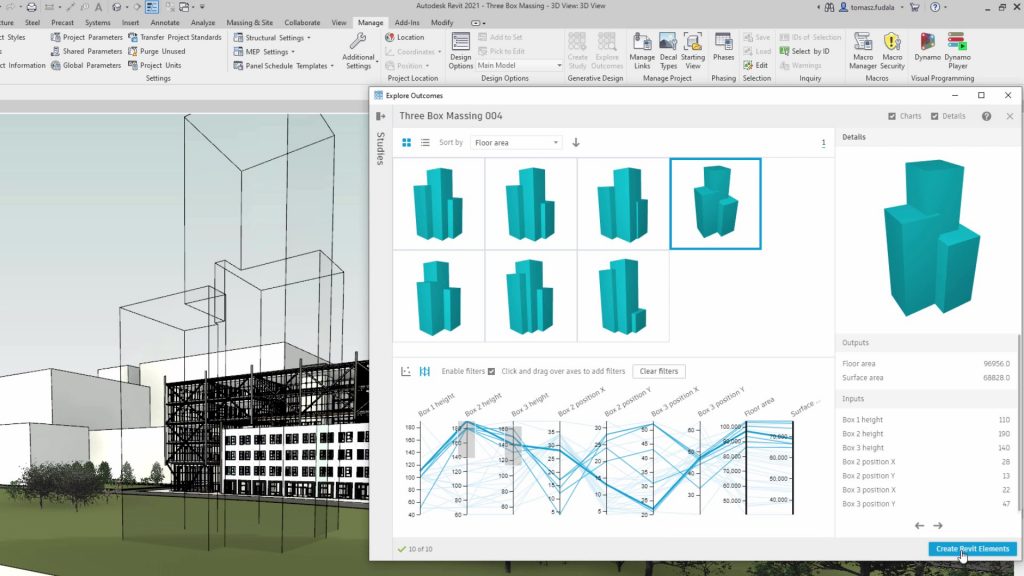


These tools help architects explore thousands of design options automatically based on constraints.
- Autodesk Generative Design: Generates multiple design solutions based on inputs like materials, cost, and performance.
- Rhino Grasshopper: Widely used for parametric and algorithm-driven architecture; integrates with AI workflows.
- TestFit: Instantly creates building layouts (housing, parking, mixed-use) based on site data.
2- AI Visualization & Rendering Tools
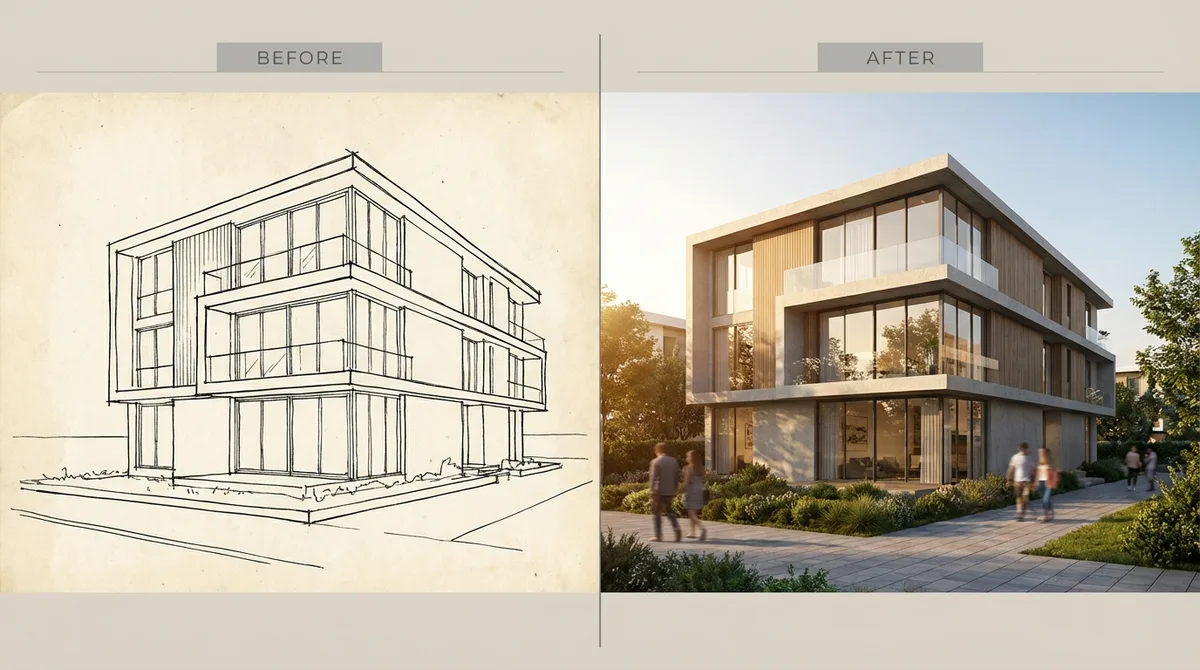


These tools turn ideas into high-quality visuals in seconds.
- Midjourney: Creates stunning conceptual architectural visuals from text prompts.
- DALL·E: Generates creative building concepts and design inspirations.
- Lumion: Uses AI-enhanced rendering for realistic lighting, materials, and environments.
- Stable Diffusion: Customizable AI rendering for architecture and interiors.
👉 Read more about 7 other AI-driven Tools for Architectural Rendering
3- BIM & Smart Modeling Tools
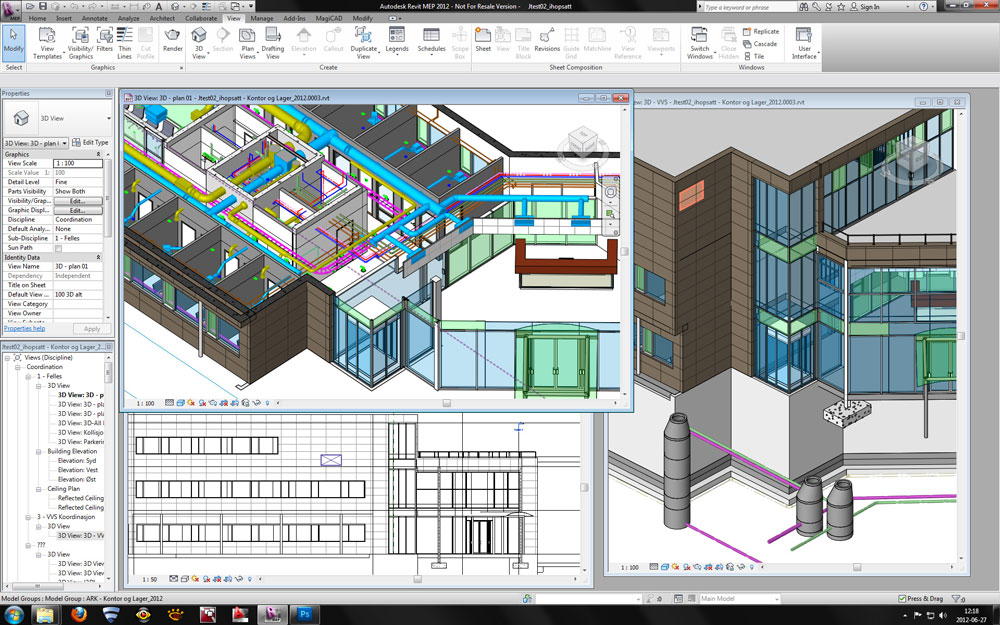


AI enhances Building Information Modeling (BIM) by automating repetitive tasks.
- Autodesk Revit: Integrates AI for clash detection, automation, and smart modeling.
- Spacemaker AI: Uses AI to optimize building placement, daylight, wind, and noise.
- ARCHITEChTURES: Automates early-stage building design using real-world constraints.
👉 Read more about BIM software solutions
4- Sustainability & Performance Analysis
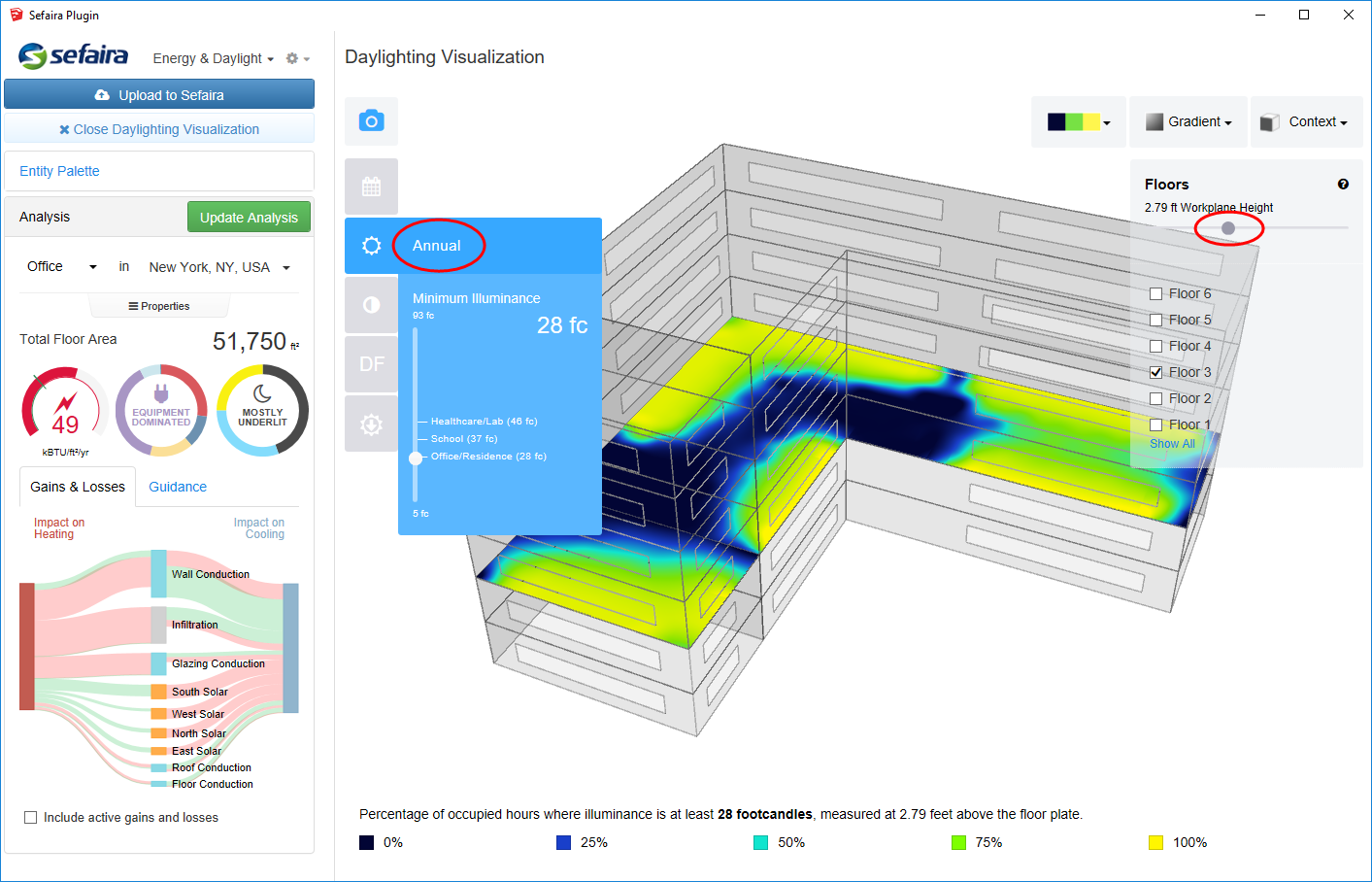


AI helps architects design energy-efficient and environmentally responsive buildings.
- Cove.tool: Optimizes energy use, daylighting, and HVAC performance. It focuses on integrating performance analysis directly into architectural workflows rather than treating it as a separate engineering task.
- Sefaira: Real-time environmental analysis integrated with design tools, such as SketchUp and others.
- ClimateStudio: Advanced daylight and energy modeling powered by AI-driven simulations.

❓ Why These Tools Matter (Quick Insight)
AI tools in architecture are not just about speed—they fundamentally change how you design:
- Faster iterations → explore hundreds of concepts in minutes
- Data-driven decisions → optimize cost, energy, and performance
- Better visuals → improve client presentations and conversions (better for blogs)
- Automation → reduce repetitive drafting and modeling work
Conclusion: Designing the Future, Today
Architecture in 2026 is no longer about choosing between beauty and performance, or between innovation and sustainability. It is about integrating all these elements into a cohesive, intelligent system that enhances both human life and environmental health.
The fusion of AI, sustainability, smart technology, and human-centered design is not just a trend—it is the new standard. Buildings are becoming more than structures; they are evolving into responsive, adaptive environments that actively contribute to a better future.
For bloggers and content creators, this represents a powerful opportunity. By understanding and communicating these ideas, you can position your content at the forefront of a rapidly growing field, attract high-quality traffic, and build authority in a niche that will only become more important in the years ahead.
The future of architecture is already here. The question is no longer whether it will change—but how quickly you will adapt to it.

Nadim Maani
From discussing cutting-edge architectural trends to analyzing iconic structures, and home improvement topics, my articles delve into the intricacies of design, offering thought-provoking perspectives and practical tips.So, welcome again, and visit my blogs today; I'm sure you will find what you are looking for!